The Hidden "Rinse Cycle" That's Keeping Seniors Sharp — and Out of Facilities
AND: The Top 5 "Memory Killers" silently stealing your sharpness — and what life looks like when they're finally gone.


My name is Dr. Sam Walters.
As a former NASA physician, I spent thirty years asking one question.
Why do some seniors stay razor-sharp, quick, and fully in command of their own lives well into their 90s — while others start losing words, names, and the thread of a conversation twenty years earlier?
The answer isn't genetics.
It isn't luck.
It comes down to five specific "memory killers" hiding in everyday foods in most American kitchens right now.
Foods that jam the brain's built-in overnight cleaning system — what I call the Rinse Cycle.
Clear them out, and the brain begins clearing itself the way it was designed to.
Seniors who stay sharp into their 80s and 90s almost always have one thing in common.
They found a way to get these five things out of the kitchen.
Here's what life looks like when the Rinse Cycle is finally running the way it was built to:
- Finding the word you want, when you want it — instead of pointing and saying "the thing"
- Walking into a room and knowing exactly why you walked in
- Telling a story straight through, beginning to end, without losing the thread
- Reading an entire novel — and remembering what happened in chapter one
- Family conversations that are just conversations. Not gentle "check-ins." Not discussions about "options."
- Saying "I'm fine" when your kids call — and meaning every word of it
- Staying in the home you've spent your life building. For as long as you choose.
If that sounds like what you've been trying to hold onto, these five memory killers are almost certainly what's been standing between you and it.
The NASA + "Rinse Cycle" Discovery

At NASA, I had access to research technology most hospitals can't come close to — facilities where we studied, in more detail than almost anywhere on earth, exactly how the brain performs under extreme stress, why mental sharpness breaks down, and how to keep human beings clear-headed when everything is working against them.
That research led me to a discovery out of a major university lab that stopped me cold.
Scientists had found something nobody expected: the brain has its own built-in cleaning crew. Every night, during deep sleep, it switches ON — flushing out the metabolic residue that builds up from a full day of thinking, remembering, and living. Researchers watched it happen in real time. A brain that rinses fully wakes up clear. Sharp. Fast.

Your brain has this exact same rinse cycle.
But in millions of American seniors, it's running at a fraction of its power. Not because of genetics. Not because of bad luck. Because five specific "memory killers" in the modern kitchen clog the system — leaving a little more residue behind every single night than the brain can clear.
A little more fog every morning. Words first. Then names. Then the thread of the story. Then where you parked the car.
Why You've Never Heard This

The industry built around aging minds generates billions every year managing the symptoms of mental decline — the appointments, the assessments, the facilities that now average over $7,000 a month.
Nobody in that chain is paid to ask what's in your pantry.
A four-minute checkup looks at your birth date, runs a clock test, and calls the fog "normal for your age." Meanwhile, the residue keeps building — and the five foods causing it stay right there on the shelf, because no one is trained to look for them.
The Top 5 "Memory Killers" Stealing Your Sharpness
#5. Artificial Sweeteners

What these "healthy" sugar substitutes don't advertise is what regular consumption does upstairs. They disrupt the processes behind memory, focus, and mental clarity in ways most doctors chalk up to aging rather than what's in the cup.
#4. Microplastics

Over 90% of bottled water contains microplastic particles — and recent research has found these particles don't just circulate in the body. They accumulate in brain tissue itself, where they interfere with the very systems your rinse cycle depends on.
#3. Seed Oils

When heated, canola, soybean, and corn oil produce inflammatory compounds your brain has no natural way to neutralize. That inflammation slows the connections behind quick recall — the difference between the word being right there and being stuck on the tip of your tongue.
#2. Processed Preservatives
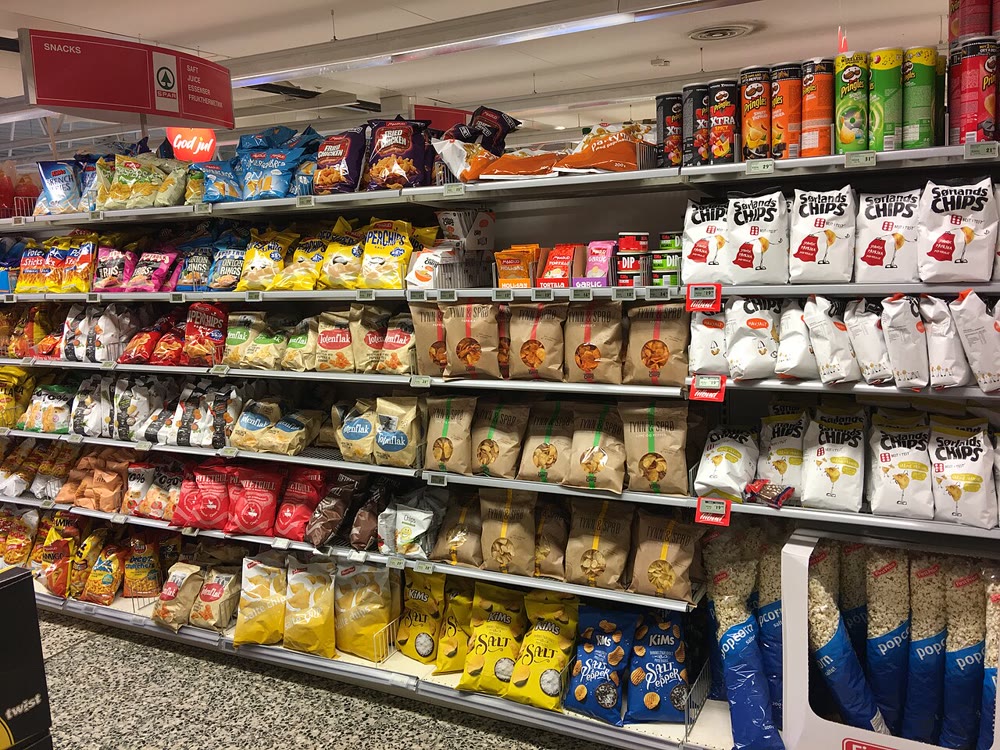
The chemicals engineered to keep packaged food on shelves for years wear down the gut — and your gut and brain are in constant conversation. When that line degrades, the first casualties are mood, clarity, and the steady mental energy you used to take for granted.
What Is the #1 Memory Killer?
The number one memory killer is in 99% of American kitchens right now. It is the single biggest driver of the "fog" millions of seniors are told is just their age — and the one the establishment has done the least to put on your radar.
This is the one that clogs your brain's rinse cycle and keeps it clogged. Clear it out, and the other four lose most of their grip.
Watch the short video below. It reveals exactly what it is, where it's hiding in your kitchen, and what happens to your mind when it's finally gone.


THIS IS AN ADVERTORIAL AND NOT AN ACTUAL NEWS ARTICLE, BLOG, OR CONSUMER PROTECTION UPDATE.
The story depicted on this site and the person depicted in the story are not actual news. Rather, this story is based on the results that some people who have used these products have achieved. The results portrayed in the story and in the comments are illustrative and may not be the results that you achieve with these products. Photographs used on this page, including in the comments section, are licensed stock images of models and are used for illustrative purposes only; they do not depict actual customers. This page may receive compensation for clicks on or purchases of products featured on this site.
This website is not intended to provide medical advice or to take the place of medical advice and treatment from your personal physician. Visitors are advised to consult their own doctors or other qualified health professionals regarding the treatment of medical conditions. These statements have not been evaluated by the Food and Drug Administration. This product is not intended to diagnose, treat, cure, or prevent any disease.
Comments